
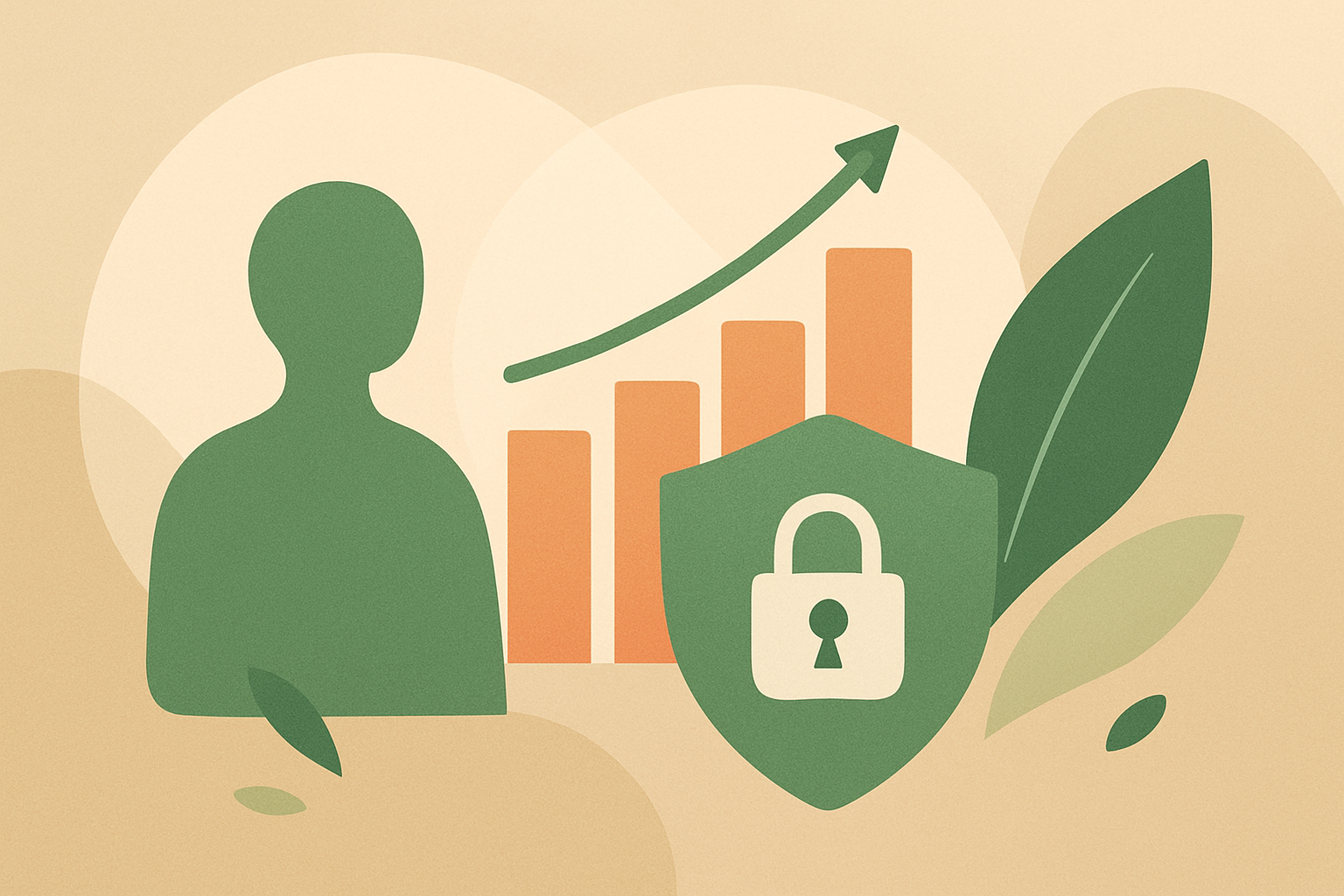
Personalization in marketing can enhance customer experiences, but it can also tread dangerously close to feeling like surveillance. The key is to use data to create seamless experiences that reduce friction, not to flaunt how much you know about a customer. This balance is crucial in building trust, especially in B2B email marketing where first-party data is often used.
Understanding when personalization is beneficial and when it becomes intrusive is essential for marketers. By focusing on customer needs rather than showcasing data prowess, you can foster a sense of trust and loyalty.
Personalization: Enhancing Customer Experience
When used correctly, personalization can significantly enhance the customer experience by making interactions more relevant and timely. It helps in addressing customer needs effectively, providing them with the information or solutions they are seeking.
For instance, personalized recommendations based on past purchases or browsing history can guide customers towards products they are likely to be interested in, thus improving their shopping journey. This approach not only aids customers but also increases conversion rates for businesses.
When Does Personalization Feel Like Surveillance?
Personalization crosses the line into surveillance when it becomes too intrusive or when customers feel their privacy is being compromised. This often happens when marketers use data in a way that feels invasive or unexpected.
Examples include overly specific ad targeting that reveals too much about what a company knows or sending emails that reference recent activities in a way that feels uncomfortable to the recipient. It’s important to maintain a balance and ensure that personalization efforts are respectful of customer privacy.
How to Use First-Party Data Responsibly
First-party data is invaluable for personalization, but it must be used responsibly to maintain customer trust. This means being transparent about what data is collected and how it will be used.
Marketers should focus on using this data to enhance customer experiences rather than to demonstrate their data collection capabilities. This approach helps in building a trust-based relationship with customers.
For more insights on using first-party data without crossing into creepiness, check out our article on first-party data marketing.
Building Trust in B2B Email Marketing
In B2B email marketing, trust is paramount. Personalization should aim to provide value, such as offering insights or solutions relevant to the recipient’s business challenges.
Emails that are too personalized can feel invasive, especially if they reference specific behaviors or data points. Instead, focus on delivering content that is genuinely useful and relevant, which will naturally build trust over time.
Strategies for Effective Personalization
To personalize effectively without overstepping, start by segmenting your audience based on genuine needs and preferences rather than just data points.
Use personalization to simplify the customer journey, such as by recommending products that complement previous purchases or by sending reminders about items left in a shopping cart. This approach is less about showing off data and more about enhancing the customer experience.
For strategies on launching a personalized marketing site, explore our article on marketing site strategies.
Maintaining Customer Trust Through Transparency
Transparency is key to maintaining trust in personalization efforts. Clearly communicate what data is being collected, how it will be used, and what benefits it offers to the customer.
Providing customers with control over their data, such as allowing them to opt out of certain types of data collection, can also help in building trust. This transparency not only reassures customers but also aligns with data protection regulations.
In conclusion, personalization should be about reducing friction for the reader and enhancing their experience, rather than proving how much you know. By focusing on customer needs and maintaining transparency, marketers can create a personalized experience that feels respectful and beneficial. If you’re interested in discussing how to balance personalization with privacy in your marketing efforts, feel free to reach out for a conversation.