
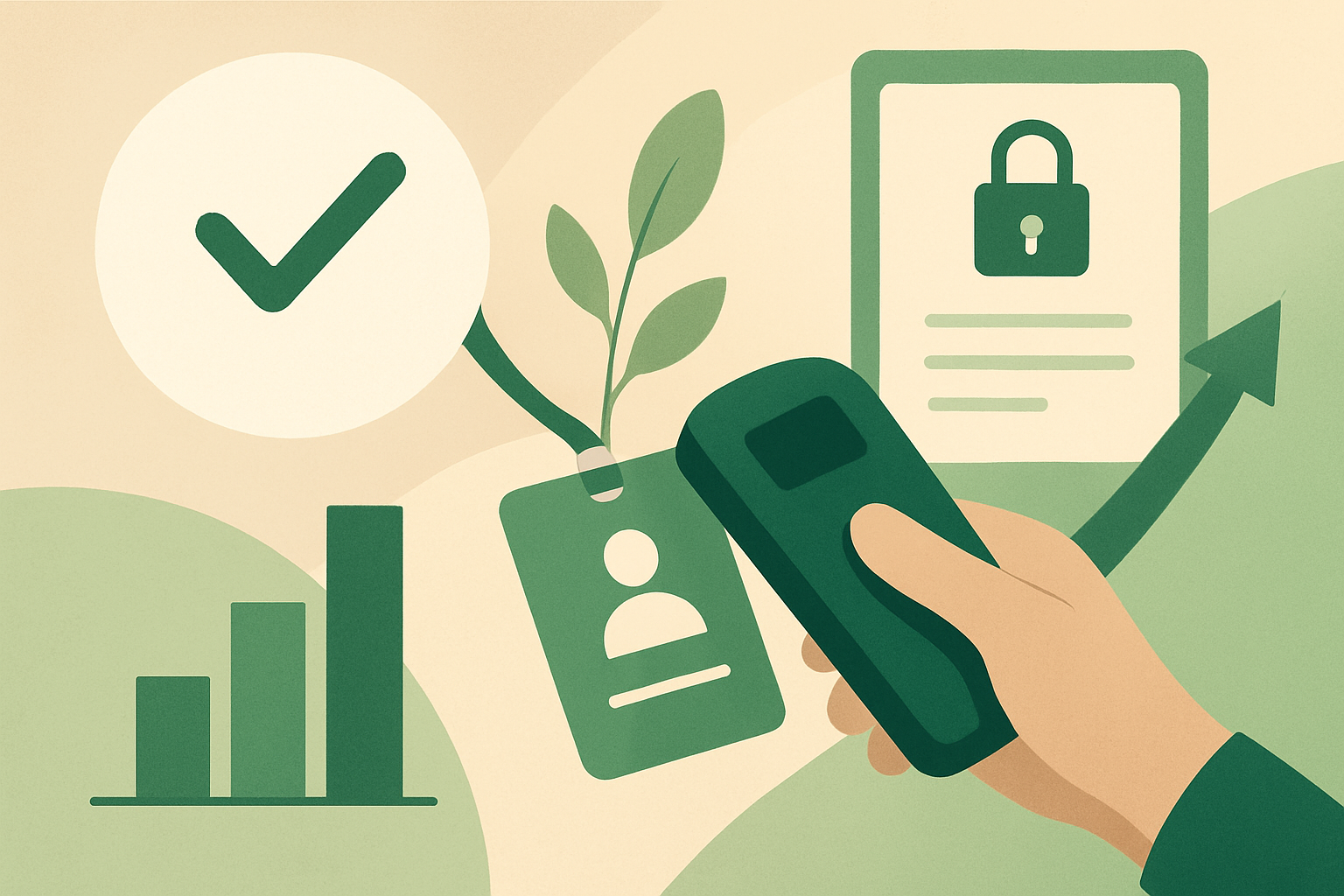
When attending events, field marketers often rely on badge scans to capture lead information. However, it’s essential to understand that an event badge scan does not equate to blanket consent for all marketing activities. To comply with GDPR and effectively nurture leads, it’s crucial to narrow the scope of consent on-site and ensure that attendees are fully informed about what they are signing up for.
Event data collection is a powerful tool for marketers, but it must be handled with care. GDPR requires explicit consent from individuals before processing their personal data for marketing purposes. This means that simply scanning a badge at an event doesn’t give you carte blanche to add attendees to all your marketing lists. Instead, you need to be clear about what you’re asking for and why.
Event Badge Scans: Not a One-Size-Fits-All Consent
Event badge scans are a convenient way to gather attendee information, but they don’t automatically provide consent for all types of communication. GDPR mandates that consent must be specific, informed, and freely given. Therefore, field marketers must clearly communicate what the scan will be used for and obtain explicit consent for each intended use.
Many marketers mistakenly assume that scanning a badge allows them to send marketing emails, newsletters, and more. However, this assumption can lead to compliance issues. It’s crucial to specify the purpose of data collection at the time of the scan and ensure that attendees agree to each use.
How Can You Ensure GDPR Compliance at Events?
To comply with GDPR while capturing leads at events, you need to adopt a transparent approach. Clearly explain what data you are collecting, how it will be used, and obtain explicit consent for each purpose. This can be done by providing a concise consent form or digital agreement at the point of scan.
Additionally, offering attendees the option to choose which communications they wish to receive can enhance transparency and trust. This empowers them to make informed decisions about their data and how it’s used.
Using clear language and providing options can help build trust and ensure compliance. For more insights on ethical data practices, explore our article on first-party data marketing without creepiness.
Why Is Narrowing the Ask Important?
Narrowing the ask at the point of data capture is critical to ensure compliance and maintain trust with your audience. By clearly defining the scope of consent, you reduce the risk of overstepping boundaries and ensure that your marketing efforts align with attendees’ expectations.
When you narrow the ask, you also improve the quality of your leads. Attendees are more likely to engage with communications they have explicitly consented to, leading to higher conversion rates and more meaningful interactions.
What Are the Best Practices for Lead Nurturing Post-Event?
Effective lead nurturing requires a strategic approach that respects the preferences of your audience. After obtaining consent, segment your leads based on their interests and engagement levels. Tailor your communications to match their preferences and provide value at every touchpoint.
Personalized content, timely follow-ups, and relevant offers can enhance your lead nurturing efforts. By respecting consent and focusing on quality interactions, you can build stronger relationships with your leads.
How Does GDPR Affect Lead Capture Strategies?
GDPR has significantly impacted how marketers approach lead capture and data processing. It emphasizes the importance of transparency, consent, and data protection. As a result, marketers must rethink their strategies to ensure compliance and build trust with their audience.
This means being clear about data usage, offering easy opt-out options, and regularly reviewing consent practices. By doing so, you can create a compliant and effective lead capture strategy that respects your audience’s privacy.
For more information on crafting a compliant marketing strategy, check out our guide on launching a marketing site.
What Role Does Technology Play in GDPR Compliance?
Technology can be a valuable ally in ensuring GDPR compliance. Tools that automate consent management, track data usage, and provide transparency to users can help marketers stay compliant while capturing and nurturing leads.
Implementing technology solutions that support data protection and consent management can streamline processes and reduce the risk of non-compliance. It’s essential to choose tools that align with your organization’s data privacy goals and provide the necessary features to manage consent effectively.
By leveraging technology, you can enhance your compliance efforts and focus on building meaningful relationships with your leads.
Balancing effective lead capture with GDPR compliance is an ongoing challenge for field marketers. By understanding the nuances of consent and adopting transparent practices, you can capture valuable event data while respecting attendees’ privacy. Let’s start a conversation about how you can refine your lead capture strategy to align with GDPR and nurture your audience effectively.
FAQ for this article
-
How do event badge scans work under GDPR?
-
What should marketers communicate at the point of badge scan?
-
Why is narrowing the ask important for GDPR compliance?
-
How can technology aid in GDPR compliance at events?
-
What are the benefits of obtaining explicit consent at events?